I
La figura más alta del eje. Una cabeza redonda coronada por dos zonas claras de nieve que se leen como penachos o cejas, y debajo, dos grandes cuencas oscuras: ojos frontales que te sostienen la mirada. Es, antes que nada, un búho — el único animal cuyos ojos miran al frente como los nuestros, y por eso el más 'humano' y vigilante de las aves. Esa frontalidad de mirada es justo lo que el cerebro detecta primero; el búho fue, en casi todas las culturas, el centinela de la noche, sabio y agorero a la vez.
The highest figure on the axis. A round head crowned by two bright snow zones that read as tufts or brows, and below them two great dark hollows: frontal eyes that hold your gaze. It is, first of all, an owl — the one animal whose eyes face forward like ours, which is why it is the most 'human' and watchful of birds. That forward gaze is exactly what the brain detects first; the owl was, in nearly every culture, the sentinel of the night, both wise and ominous.
II
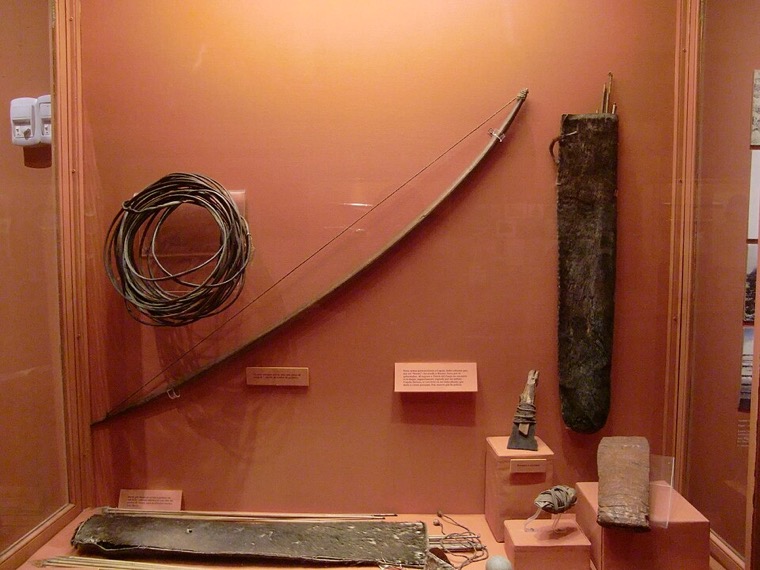
Selk'nam — El ancestro-ave de la noche. En la cosmología selk'nam los primeros antepasados, los howenh, se transformaron en animales, aves y estrellas. Un ave de grandes ojos que vigila desde la oscuridad del bosque austral es exactamente esa clase de antepasado convertido en centinela nocturno.
Selk'nam — The night bird-ancestor. In Selk'nam cosmology the first ancestors, the howenh, turned into animals, birds and stars. A great-eyed bird watching from the darkness of the southern forest is precisely that kind of ancestor turned night sentinel.
●●●
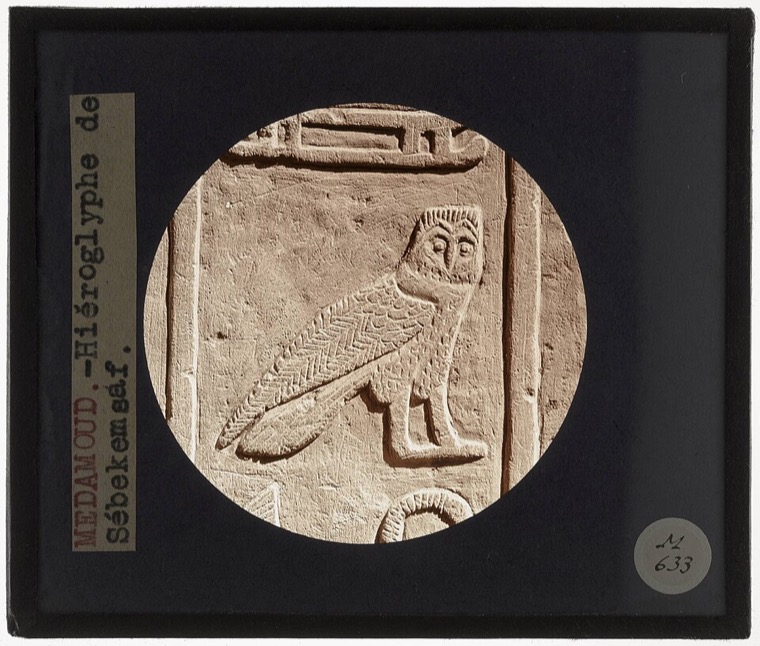
Egipto — El jeroglífico del búho. El búho es el signo de la letra 'm' y una rareza absoluta en la escritura egipcia: casi todos los animales se dibujan de perfil, pero el búho gira la cara hacia el frente, mirando directo al lector. Ave de la noche y del más allá, mira como mira esta figura.
Egypt — The owl hieroglyph. The owl is the sign for the letter 'm' and an absolute rarity in Egyptian script: nearly every animal is drawn in profile, but the owl turns its face to the front, looking straight at the reader. A bird of night and the beyond, it stares as this figure stares.
●●●
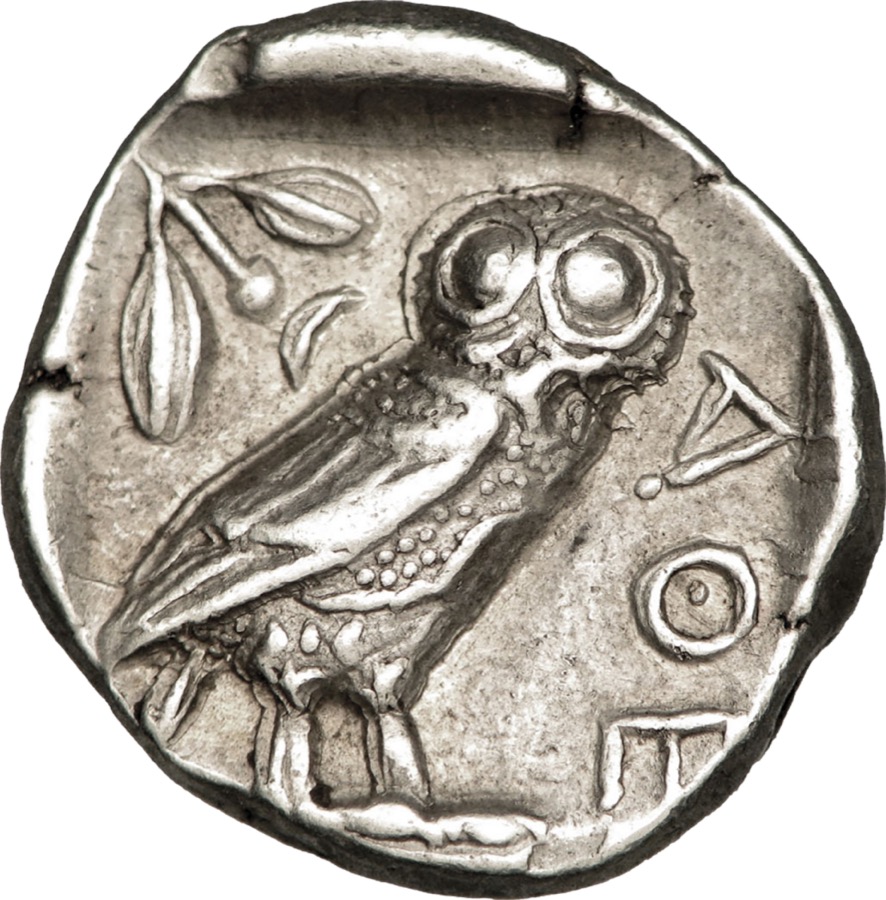
Grecia — El búho de Atenea. El glaúx, el búho de Atenea, era el emblema de la sabiduría y de la vista que penetra la oscuridad; la diosa misma era glaukópis, 'de ojos de búho'. El ave de mirada frontal acuñada en las monedas de Atenas es este mismo arquetipo.
Greece — Athena's owl. The glaúx, Athena's owl, was the emblem of wisdom and of sight that pierces the dark; the goddess herself was glaukôpis, 'owl-eyed'. The frontal-gazing bird struck on Athens' coins is this very archetype.
●●●
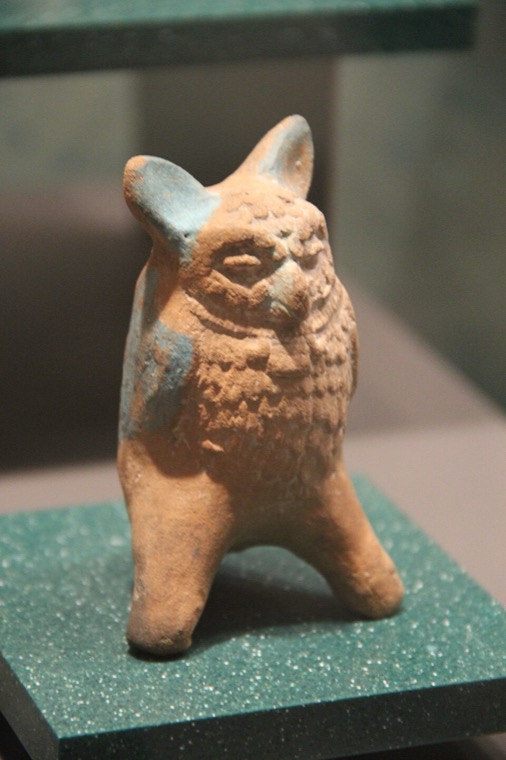
Maya — El búho de Xibalbá. En el Popol Vuh, los Señores del inframundo Xibalbá envían cuatro búhos como mensajeros de la muerte. El búho que ulula de noche anunciaba el final — el centinela entre este mundo y el otro.
Maya — The owl of Xibalba. In the Popol Vuh, the Lords of the underworld Xibalba send four owls as messengers of death. The owl hooting at night announced the end — the sentinel between this world and the other.
●●●
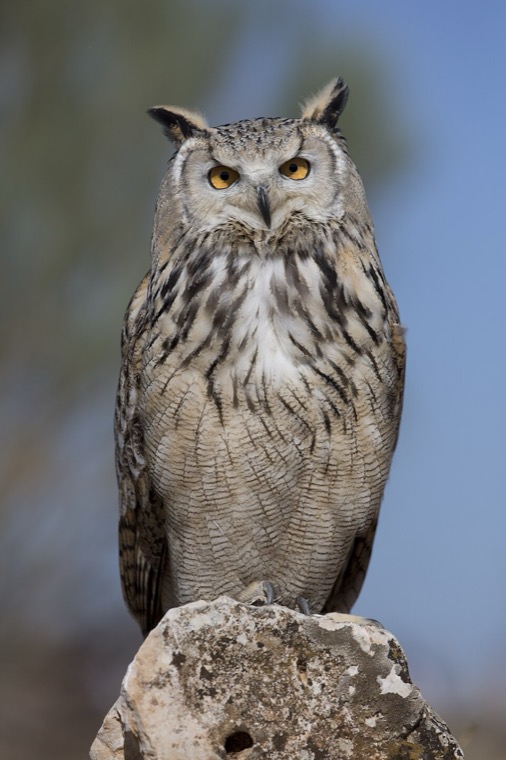
Nórdico — El agüero en la oscuridad. En el folclore del norte de Europa el búho era ave de mal agüero: sus ojos en la oscuridad invernal y su llamada presagiaban una muerte. Honestidad: aquí el mito es más folclore que panteón — el parecido es de tema, no de figura tallada.
Norse — The omen in the dark. In Northern European folklore the owl was a bird of ill omen: its eyes in the winter dark and its call foretold a death. Honesty: here the myth is more folklore than pantheon — the resemblance is thematic, not a carved figure.
●●●
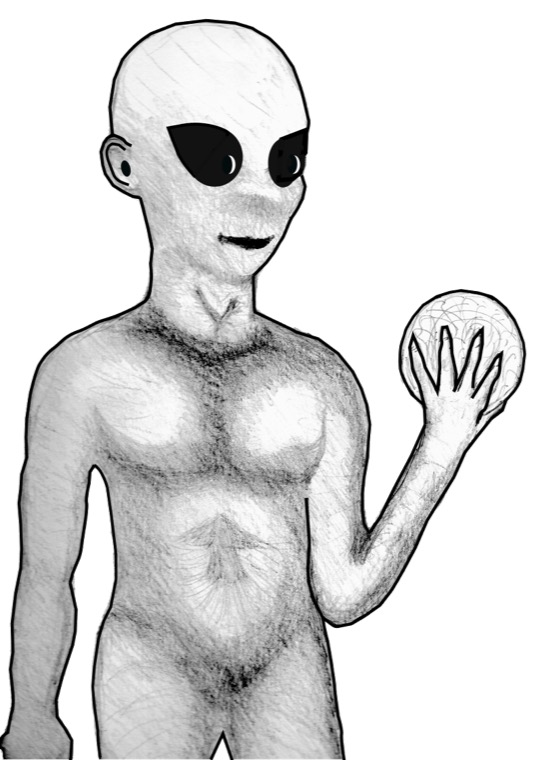
El Visitante — El búho como 'recuerdo pantalla'. En la literatura de abducciones (Strieber, Mike Clelland) muchos 'recuerdan' un búho enorme de ojos gigantes antes de un encuentro — leído como un 'recuerdo pantalla' que tapa otra cosa. Honestidad: el búho tiene los ojos más frontales del reino animal, así que es la plantilla que el cerebro agarra primero: máximo gatillo de pareidolia, no prueba de nada.
The Visitor — The owl as 'screen memory'. In abduction literature (Strieber, Mike Clelland) many 'recall' a huge owl with giant eyes before an encounter — read as a 'screen memory' masking something else. Honesty: the owl has the most frontal eyes in the animal kingdom, so it is the template the brain reaches for first: maximum pareidolia trigger, not proof of anything.
●●●
III
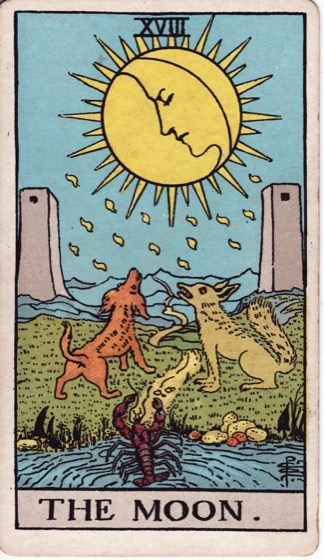
La Luna (XVIII)
The Moon (XVIII)
La carta de la noche, los animales que aúllan en la oscuridad y las figuras que la mente dibuja sin luz. Bajo la luna reina el búho — y bajo la luna ves esta cara.
The card of night, the animals that howl in the dark and the figures the mind draws without light. Under the moon the owl reigns — and under the moon you see this face.
♓ Piscis · Luna
♓ Pisces · Moon
El Centinela · la mirada nocturna
The Sentinel · the night gaze
✦
El búho es el ave de la luna; el arcano que cae sobre él es La Luna. El símbolo y la carta coinciden sin proponérselo — y ambos advierten: lo que ves de noche puede ser ilusión.
The owl is the moon's bird; the arcanum that lands on it is The Moon. Symbol and card agree without trying — and both warn: what you see at night may be illusion.
IV
F1 nace del pliegue: sus dos mitades se reflejan sobre el eje vertical del render 3D de Google. La 'frontalidad' que sientes es exactamente lo que tu detector de rostros busca primero. Es el mismo mecanismo del Rostro en Marte — fascinante como percepción, no como monumento.
F1 is born of the fold: its two halves mirror across the vertical axis of Google's 3D render. The 'frontality' you feel is exactly what your face-detector hunts for first. Same mechanism as the Face on Mars — fascinating as perception, not as a monument.
Y aun así, sigues mirando.
And still, you keep looking.